Padel vs Pickleball vs Tennis: Which Should You Play?
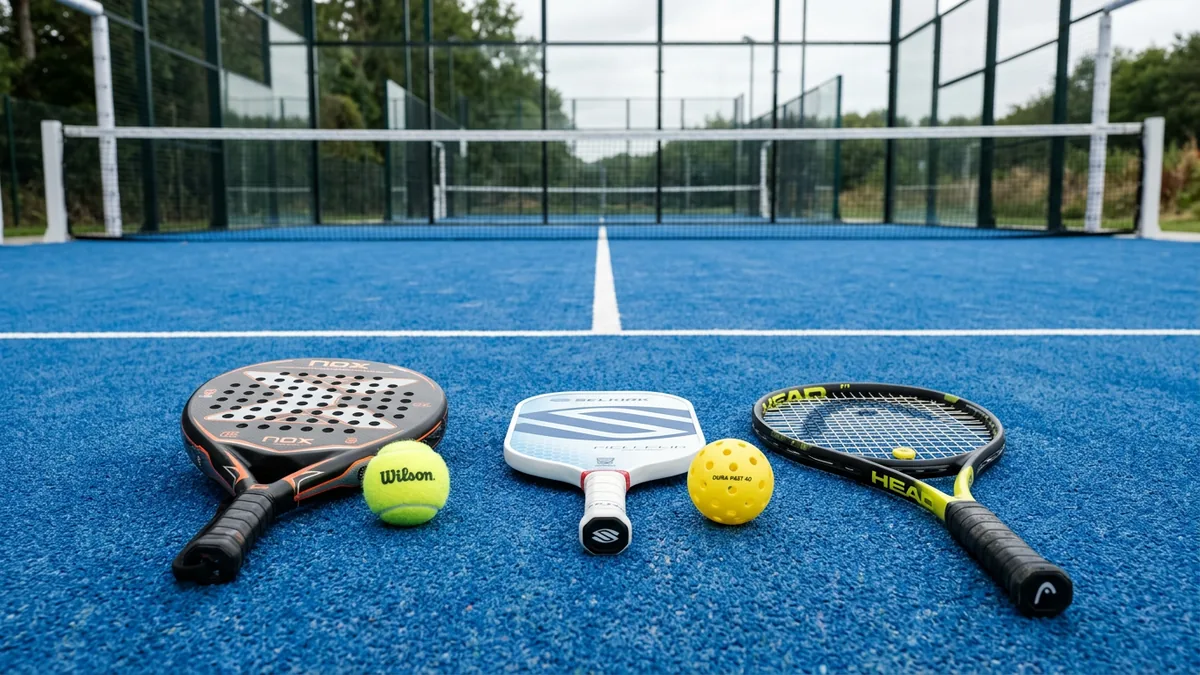
Tennis used to be the default racket sport — the one everyone played as kids and the only option at most clubs. In the last decade, that changed dramatically. Padel has become one of the fastest-growing sports in the world, with courts appearing in almost every country, while pickleball has exploded across North America and beyond. Suddenly, racket fans have three very different ways to spend their time.
So which one should you play? The honest answer: it depends on what you want. The three sports share a family tree, but they demand different fitness levels, budgets, and time commitments — and they reward different strengths. Here’s how they really compare.
Court Size and Setup
Once you know which sport fits you, learning the padel rules is the next step. Read more about the court setup here
The most obvious difference is the space each sport needs — and whether walls are involved.
| Padel | Pickleball | Tennis | |
|---|---|---|---|
| Court size | 10m x 20m | 6.1m x 13.4m | 23.8m x 8.2m (singles) |
| Walls | Glass and mesh enclosure | None | None |
| Net height (center) | 0.88m | 0.86m | 0.91m |
| Typical format | Doubles | Doubles | Singles or doubles |
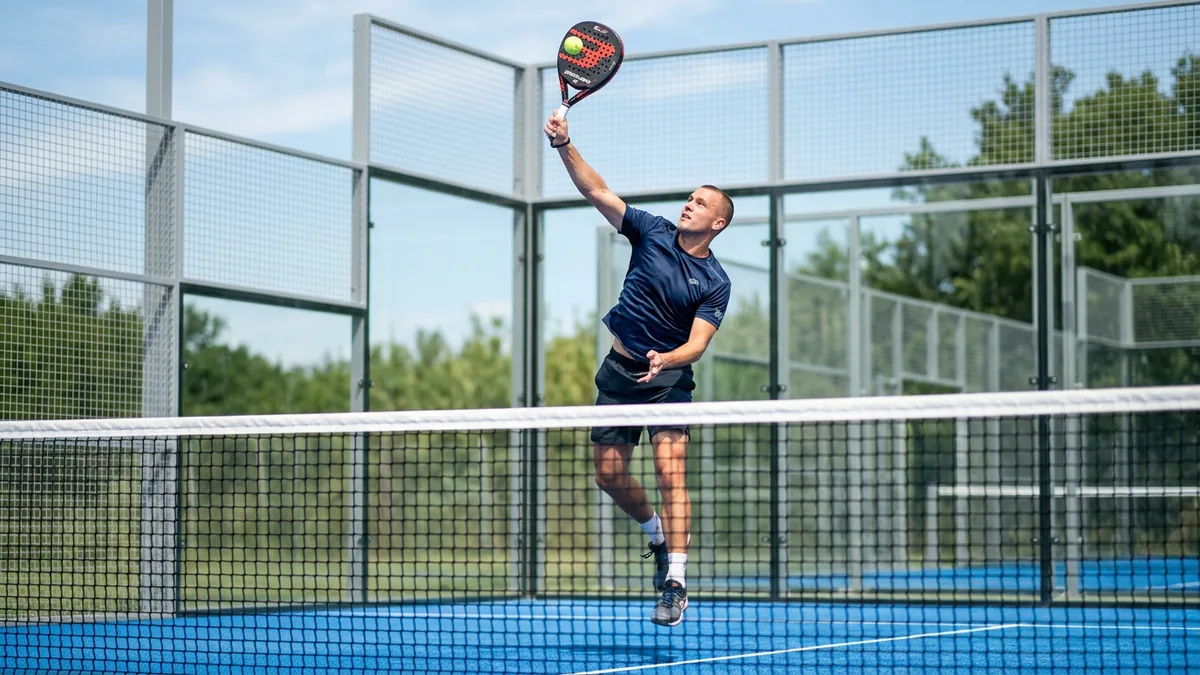
Padel is fully enclosed, so you can play off the back glass and side walls — a feature that keeps rallies alive and adds a tactical layer neither tennis nor pickleball has. Pickleball is compact enough to fit on a converted tennis court or even a parking lot, while tennis demands the most space and the heaviest upkeep of all three.
Scoring Systems Compared
All three sports count points differently, which changes how long matches last and how much scoreboard-watching you’ll do.
| Sport | Scoring | Typical match length |
|---|---|---|
| Padel | 15/30/40, deuce, tie-break; best of 3 sets | 60–90 minutes |
| Pickleball | Rally scoring to 11, win by 2 | 15–30 minutes |
| Tennis | 15/30/40, deuce, tie-break; best of 3 or 5 sets | 1.5–4+ hours |
Pickleball’s short, fast games make it easy to fit several matches into a lunch break. Padel sits in the middle — long enough to feel like a real contest, short enough to play midweek. Tennis can be a full afternoon commitment, especially at competitive levels.
Equipment: Rackets, Balls, and Costs
Padel
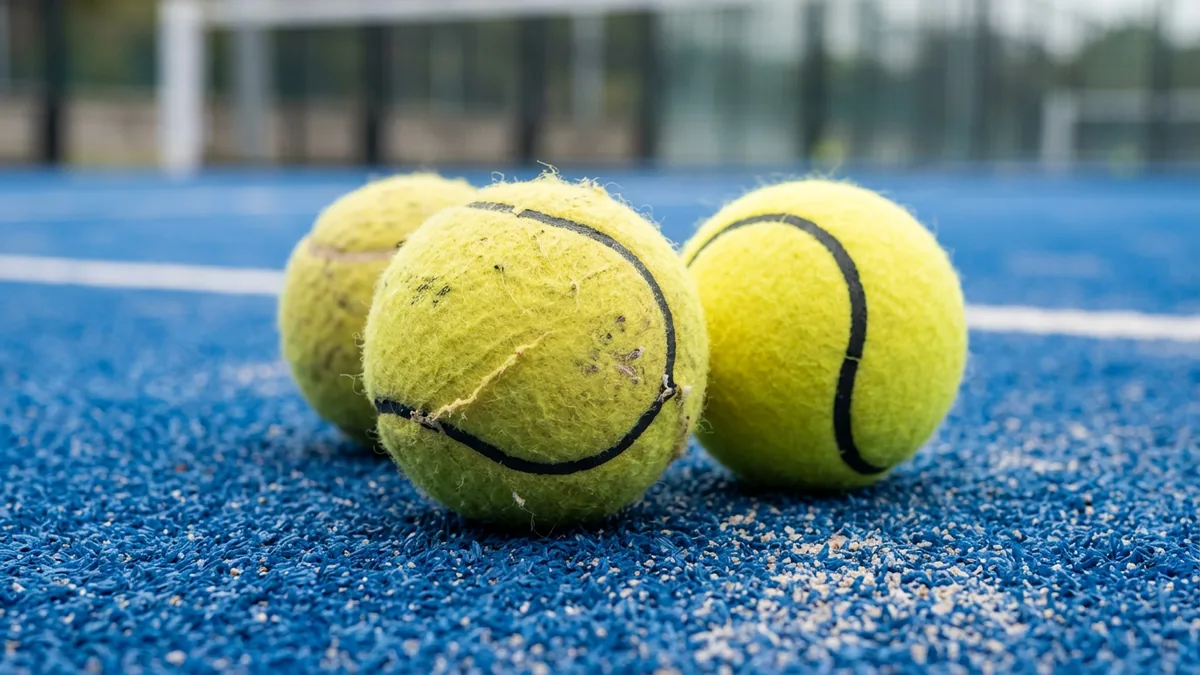
Padel rackets are solid, stringless frames made of carbon or fiberglass with a perforated foam core. The ball is slightly smaller than a tennis ball with lower pressure, which keeps the pace manageable and rewards touch over power.
Pickleball
Pickleball paddles are lightweight solid paddles — wood, composite, or graphite — and the ball is a plastic wiffle-style ball with holes. The equipment is the cheapest of the three, which lowers the barrier to entry significantly.
Tennis
Tennis rackets are strung, heavier, and longer, and the pressurized felt ball is the fastest of the three. Tennis demands more equipment knowledge — string tension, grip size, and head size all matter — and costs more to maintain over time.
| Padel | Pickleball | Tennis | |
|---|---|---|---|
| Racket/paddle | Solid, no strings | Solid, lightweight | Strung |
| Ball | Perforated rubber, low pressure | Plastic with holes | Felt, pressurized |
| Typical racket cost | $50–$300 | $20–$200 | $50–$350 |
| Court availability | Growing fast | Very high | Very high |
Learning Curve and Physical Demands
- Pickleball is the easiest to pick up: a short court, an underhand serve, and a slow ball mean beginners rally within the first session. Don’t be fooled, though — the dinking game at the net takes real touch to master.
- Padel is quick to learn but deep: the walls add rebounds and angles that tennis players never face, which means endless tactical discovery. It’s also famously kind to joints and backs, since there’s little full-court sprinting.
- Tennis has the steepest learning curve. The overhead serve alone takes months to develop, and covering a full court puts more strain on knees and shoulders than the other two sports.
| Pickleball | Padel | Tennis | |
|---|---|---|---|
| Ease of learning | Easiest | Moderate | Hardest |
| Physical intensity | Low–moderate | Moderate | High |
| Rallies | Short, quick | Long, varied | Variable |
| Social factor | High | High | Medium |
Which Sport Should You Choose?
The right choice depends on your specific game — your fitness, your schedule, and the kind of rallies you enjoy. A few honest starting points:
- Short on time and want fast fun? Try pickleball first. You’ll be playing real games within an hour.
- Want long rallies, tactical depth, and social doubles? Padel is unmatched — the walls keep points alive and the 10x20 court keeps everyone involved.
- Love the classic challenge and singles competition? Tennis remains the ultimate test, and there’s no substitute for its tradition.
And you don’t have to commit forever. Many players rotate between padel and pickleball during the week, and the touch and reflexes you build in one translate surprisingly well to the others. Try each for a few sessions, then let your preferences — not the hype — decide where your next racket belongs.
Frequently Asked Questions
Is padel easier than tennis?
Padel is generally easier to pick up because the court is smaller, the serve is underhand, and the walls keep rallies going. Beginners can play points quickly.
What are the main differences between padel and pickleball?
Padel uses a perforated racket and walls on a 10x20m court with tennis-style scoring. Pickleball uses a solid paddle on a smaller court with a no-volley zone.
Not sure which racket is right for you?
Our AI analyzes your playing style and recommends the perfect racket — in under 2 minutes.
Try the Racket Finder →