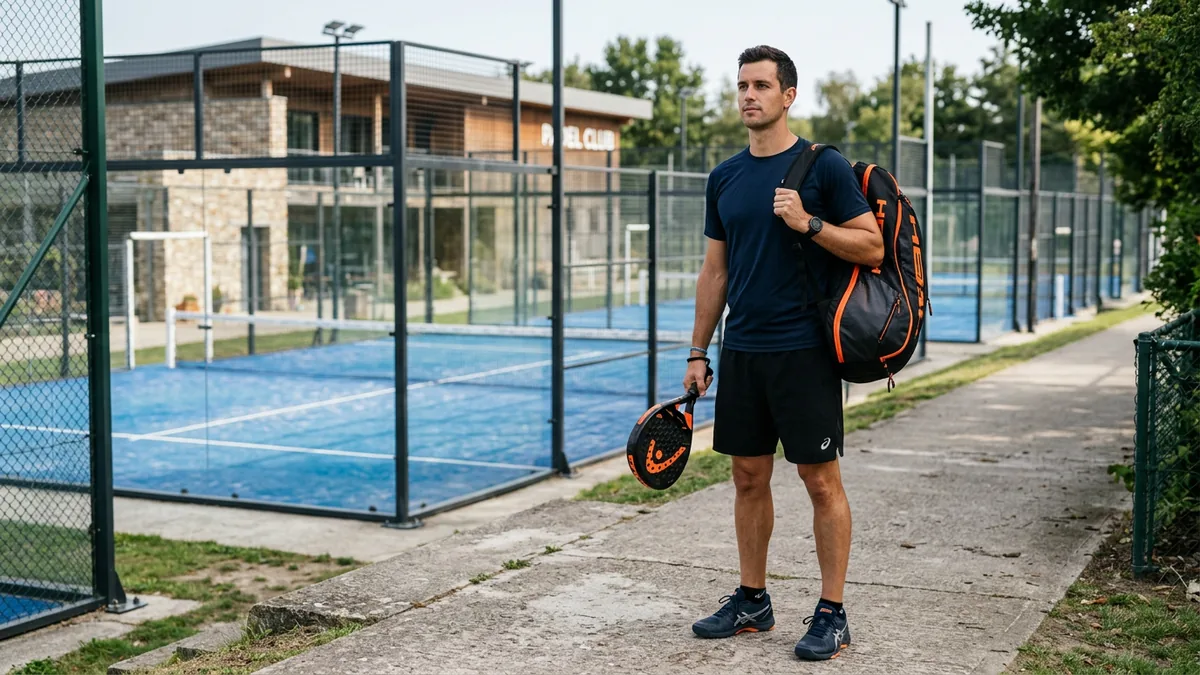
Bandeja vs Vibora: What's the Difference in Padel?
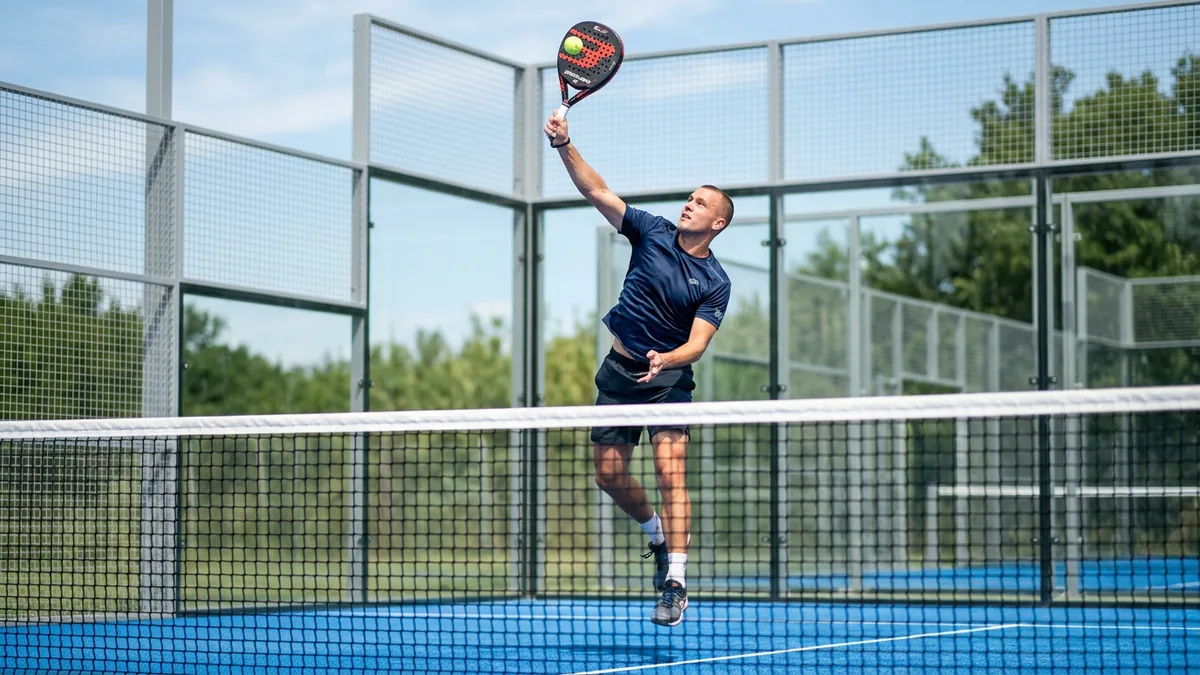
Few things confuse new padel players like the two overhead shots. Your partner shouts “bandeja!”, your opponent rips a “vibora!”, and both look… kind of similar? They’re both played from above the head, both use a slicing motion, and both become essential from the intermediate level upward. But the bandeja and the vibora are very different weapons — and confusing them costs points.
Let’s break down each shot, then compare them head to head.
What Is the Bandeja?
Your ability to hit these shots also depends on your racket’s shape — power or control, each has its role. Read more about the court setup here
The bandeja (Spanish for “tray”) is the controlled, defensive overhead. You play it with a slicing motion that sends the ball in a high arc, deep into the opponent’s court — usually toward the backhand corner.
The goal is not to win the point outright. It’s to keep the ball in play, buy time, and force the opponents to hit from a difficult position. The slice makes the ball die slightly after the bounce, which makes it awkward to attack. A well-hit bandeja lands deep and low, neutralizing the opponent’s net position.
Technique Essentials
Use the continental grip — the same one you use for a volley. The swing is compact and high-to-low: the racket face brushes down the back of the ball, which creates the slice. Keep your body sideways and your elbow relatively close to your chest. The most common mistake is swinging like a serve, which kills the control and sends the ball long.
What Is the Vibora?
The vibora (Spanish for “viper”) is the aggressive, attacking overhead. The setup looks similar, but the difference is in the wrist: you snap through the ball with heavy spin, sending it lower and faster across the net.
The vibora isn’t a safe shot — it’s meant to finish the point or force a weak, high reply that your partner can smash. When it works, the ball kicks off the court surface and dies in the corners. When it doesn’t, it flies long or into the fence.
Technique Essentials
The vibora starts from the same stance, but the key is wrist pronation through contact. The racket accelerates across and down the side of the ball rather than straight through it, producing heavy spin. Many players describe it as cracking a whip. Because the margin for error is small, every coach recommends mastering the bandeja first.
Bandeja vs Vibora: The Key Differences
| Bandeja | Vibora | |
|---|---|---|
| Height | Higher arc | Lower trajectory |
| Speed | Moderate | Fast |
| Spin | Light slice | Heavy spin |
| Landing | Deep, near the back line | Short, angled, into the corners |
| Purpose | Defensive — buy time | Aggressive — end the point |
| Difficulty | Easier to learn | Harder to control |
| When to use | Out of position, against strong net players | When you have time and space |
The mental model: the bandeja is a reset button; the vibora is a statement. If you’re off balance or pushed back toward the glass, play the bandeja and stay in the point. If you’re in position and the opponents are scrambling, the vibora puts the pressure on.
Which One Should You Learn First?
Start with the bandeja. It’s the foundation of every good defensive game, it’s easier on your shoulder, and it keeps you in rallies while you develop court awareness. Drill it crosscourt to the backhand, adding a little slice with every attempt.
Only when the bandeja feels automatic should you add the vibora. Practice the wrist snap slowly before adding speed — most vibora errors come from trying to hit it too hard too soon. Aim for consistency first, power second.
In competition, the choice is often tactical rather than technical. Against opponents who love to attack the net, the deep bandeja keeps them honest. Against defensive teams camped at the back, the lower vibora drags them forward and opens the court. Watch a professional match and count how often each appears — the bandeja appears far more often, because padel rewards the player who never takes unnecessary risks.
Which shot you lean on will depend on your playing style, your position on the court, and the opponents in front of you. Some players build their whole game around a lethal vibora; others win matches with nothing but a perfect bandeja. Learn both — but let your strengths decide which one you reach for when the ball goes high.
Frequently Asked Questions
What is the difference between bandeja and vibora?
The bandeja is a controlled, high overhead shot that lands deep with slice. The vibora is faster, lower, and aggressive with heavy spin. Vibora is harder to master.
When should you use a bandeja?
Use the bandeja when you need time and control — defensively or to reset the point from the back of the court.
Not sure which racket is right for you?
Our AI analyzes your playing style and recommends the perfect racket — in under 2 minutes.
Try the Racket Finder →