Best Padel Balls in 2026: How to Choose + Top Picks
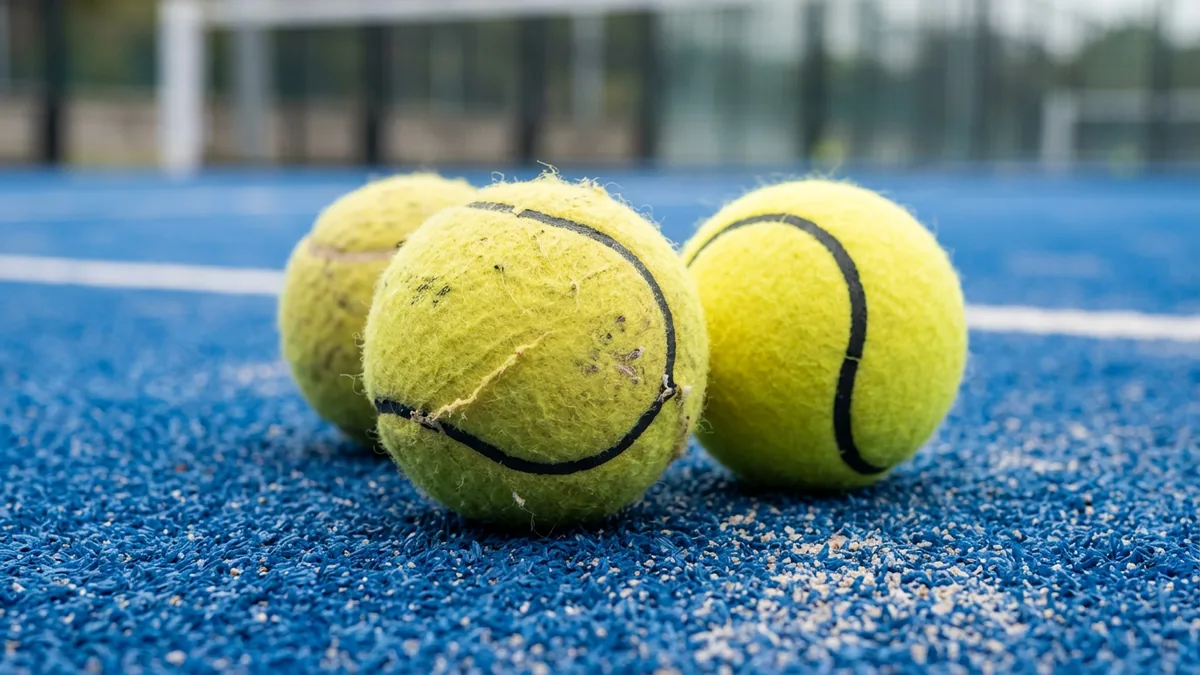
Every rally in padel starts and ends with the same object: the ball. Yet most players spend an hour choosing a racket and three seconds grabbing whatever tube sits on the club shop counter. That’s backwards. The ball is the one piece of equipment you touch on every single point, and a dead or mismatched ball quietly sabotages your game before you even swing.
The good news: choosing the right ball is simple once you understand two things — what makes a padel ball different from a tennis ball, and how fast it loses its magic.
Padel Balls vs Tennis Balls: Small But Significant
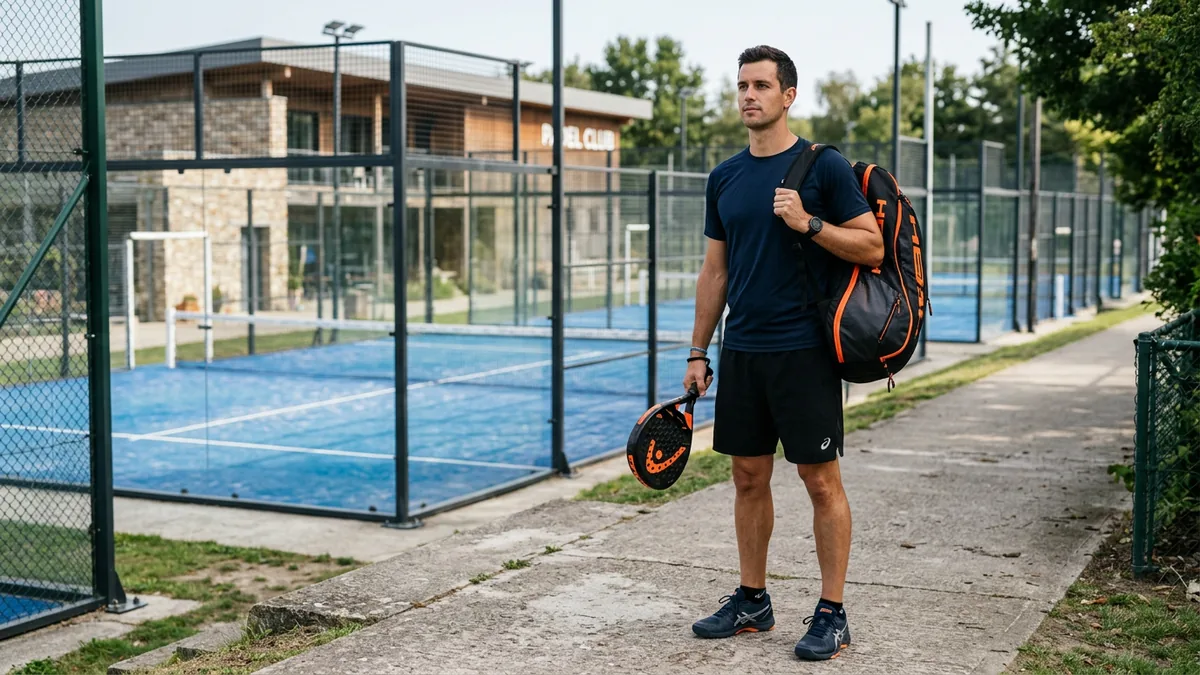
Fresh balls matter — but so does having the right footwear to move well on court. Read more about the court setup here
Padel balls look like tennis balls, but they are a different animal. Official padel balls are slightly smaller and have lower internal pressure than tennis balls — the exact combination that gives padel its slower, more controllable rallies and its characteristic soft feel off the wall.
| Property | Padel ball | Tennis ball |
|---|---|---|
| Diameter | 6.35–6.77 cm | 6.54–6.86 cm |
| Weight | 56.0–59.4 g | 56.0–59.4 g |
| Internal pressure | Lower | Higher |
| Bounce (254 cm drop) | 135–145 cm | 135–147 cm |
That lower pressure matters more than any other spec. It lets the ball sink slightly into the racket strings and the glass, which is why padel rewards touch and placement over raw power. Try playing tennis with a padel ball and you’ll feel the difference in the very first exchange.
The Short Life of a Pressurized Ball
Official padel balls are pressurized: the air sealed inside is what creates the bounce. From the moment you break the seal on the tube, that pressure starts escaping through the felt and the valve. There’s no way to stop it, only to manage it.
| Fresh ball | After 4–6 hours of play | |
|---|---|---|
| Bounce | Lively and consistent | Flat, “dead” feel |
| Off the wall | Predictable | Drops early, hard to time |
| Arm feel | Comfortable | Heavy and jarring |
Plan to replace your balls every 4–6 hours of play — in practice, every one or two sessions. A quick drop test tells you the truth: hold the ball at shoulder height, let it go, and watch the bounce. If it comes back noticeably lower than when the tube was new, it’s done. Playing with dead balls feels like hitting with a tired rubber band, and worse, it teaches you to adjust your technique to a ball that’s gone.
How to Choose: What Actually Matters
Pressurized vs. Pressureless
Pressureless balls are usually sold for training and keep their bounce much longer because they have no internal pressure to lose. They’re acceptable for casual hitting, but they feel heavier and faster off the wall — most players notice the difference within a single rally.
Felt Quality and Color
Better felt means more grip for spin and a longer useful life. Cheap felt goes shiny and slick after one session; premium felt holds its texture for several. As for color, yellow is the easiest to track on most courts and remains the tournament standard, with white and orange approved for specific conditions.
The Best Padel Balls of 2026
These are the tubes you’ll see in clubs and professional tournaments this season:
| Ball | Feel | Durability | Best for |
|---|---|---|---|
| Head Padel Pro S | Medium, balanced | Good | All-rounders, club play |
| Bullpadel Premium Pro | Soft, forgiving | Very good | Wall-heavy players |
| NOX Pro Cup | Lively, fast | Good | Aggressive attackers |
| Babolat Padel Court | Crisp, precise | Very good | Touch players |
| Wilson Bela Pro | Soft with control | Good | Intermediate to advanced |
| Adidas Padel Pro | Firm, consistent | Excellent | Hard hitters |
The Head Padel Pro S remains the benchmark most clubs use by default, and for good reason: it does everything well. Pick the Bullpadel Premium Pro if you play a lot of rebounds off the glass and want a softer, more forgiving feel. Hard hitters will wear out the Wilson Bela Pro’s felt fastest, but they’ll love the control it gives them on aggressive smashes.
Your ideal ball depends on details nobody else can decide for you: the surface you play on, how hard you hit, and whether you prioritize feel or durability. Match the ball to your game instead of the other way around, and replace it the moment it goes dead — your technique will thank you.
Frequently Asked Questions
How often should you replace padel balls?
Padel balls lose pressure noticeably after 4-6 hours of play. Serious players use a fresh tube every few sessions.
Are padel balls the same as tennis balls?
No. Padel balls are slightly smaller and lower pressure than tennis balls, which gives them a softer bounce suited to wall play.
Not sure which racket is right for you?
Our AI analyzes your playing style and recommends the perfect racket — in under 2 minutes.
Try the Racket Finder →