Best Padel Shoes in 2026: Grip, Support & Top Picks
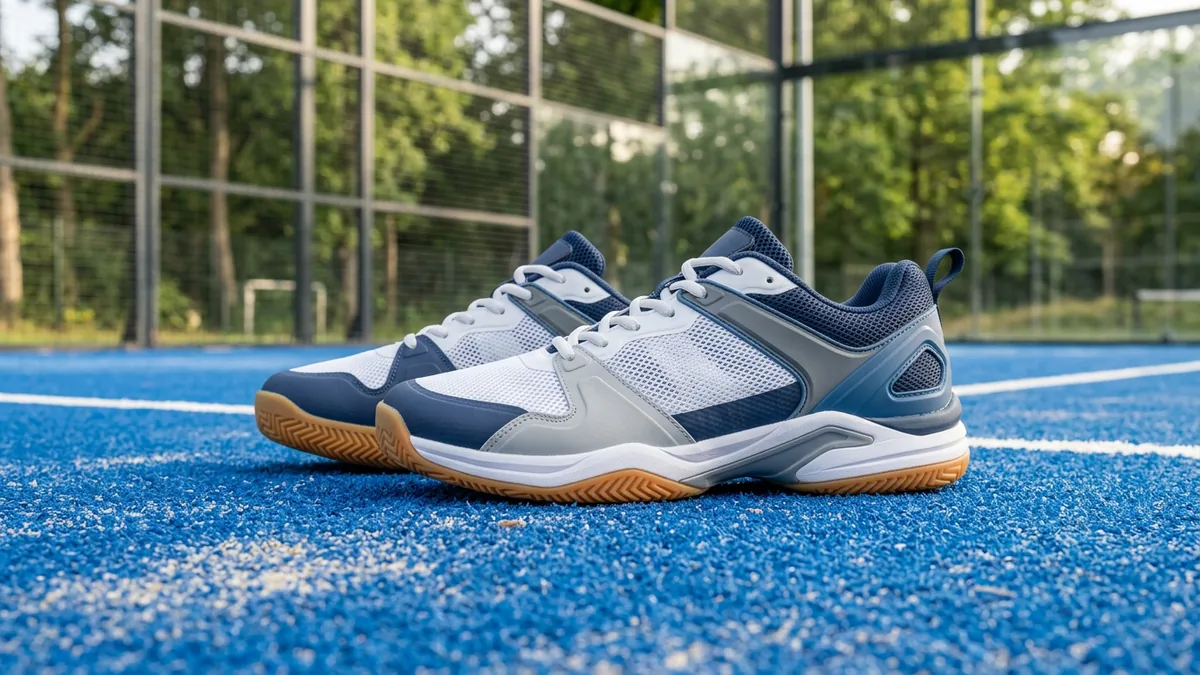
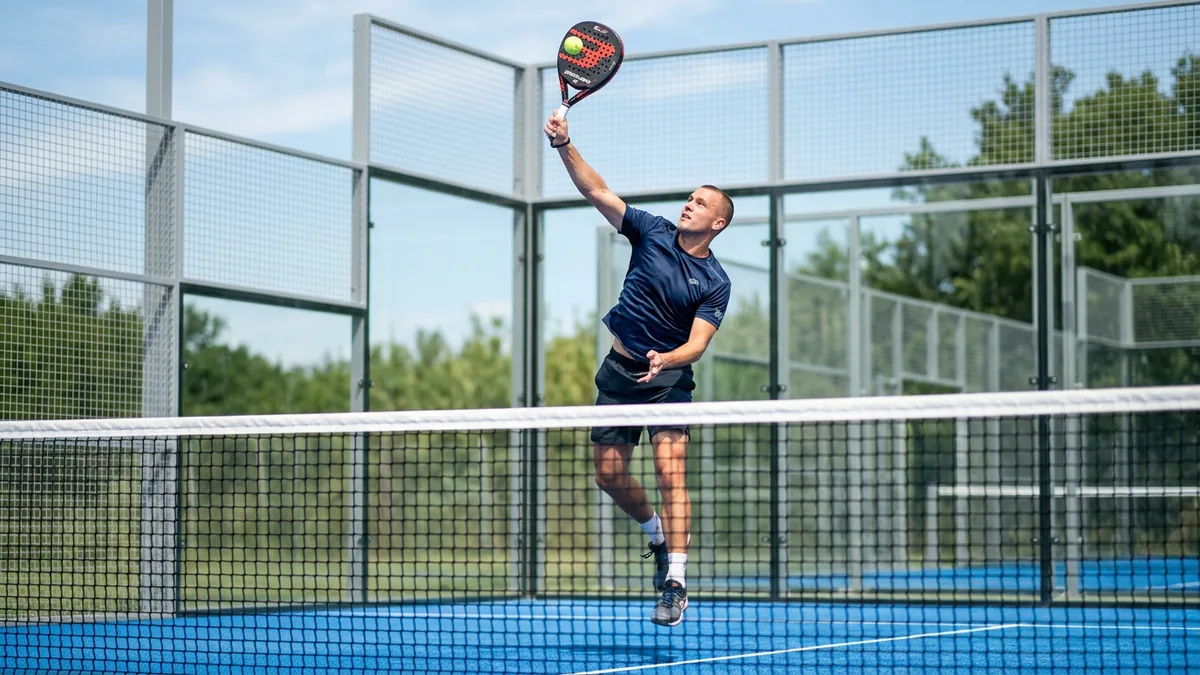
Padel is a game of explosive lateral movement. In a single point you shuffle sideways, lunge for a low ball, pivot to the wall, and brake hard on artificial grass — sometimes all within five seconds. The racket gets all the attention, but your shoes are the only thing between you and the court on every one of those movements. Choose badly and you’re sliding, slipping, and nursing sore knees instead of playing.
Running shoes are the most common mistake. They’re built for forward motion, and padel is anything but. Here’s what actually matters.
Why Padel Shoes Are Different
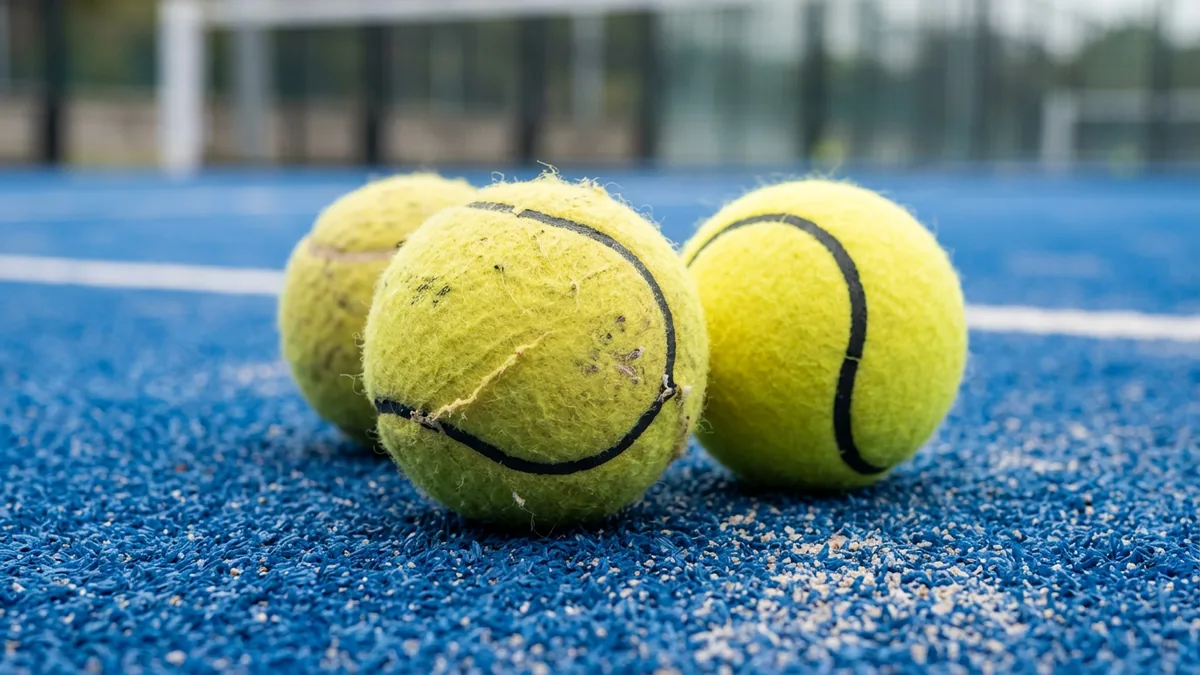
Good shoes keep you stable — and pairing them with fresh balls keeps your game consistent. Read more about the court setup here
Padel is played in short, explosive bursts. You rarely run more than a few meters, but you change direction constantly — and on artificial grass, that means constant friction between your outsole and the fibers. The result is a very specific wear pattern and a very specific need: a shoe that grips when you push, yet still allows that controlled slide when you reach for a ball near the wall.
| Feature | Padel shoe | Running shoe | Tennis shoe |
|---|---|---|---|
| Outsole | Smooth gum rubber | Lugged, grippy | Herringbone |
| Traction goal | Slide + grip balance | Forward grip | Hard-court grip |
| Lateral support | High | Low | Medium |
| Cushioning | Firm, stable | Soft, springy | Medium |
| Best surface | Artificial grass, court | Road, track | Hard court |
The gum sole is the defining feature of a padel shoe. Unlike the aggressive tread of a running shoe, padel outsoles use a smooth gum compound that grips artificial grass without catching — so you can stop, push, and slide deliberately when you need to reach the wall.
What to Look For
The Outsole: Gum Is Everything
Check that the sole is gum rubber — it has that classic tan or translucent look. Worn gum soles lose grip quickly, so keep an eye on the contact points under the ball of the foot and the heel.
Lateral Support
Padel is roughly 80% side-to-side movement. The shoe’s upper and midsole need to hold your foot firmly during hard lateral pushes — look for reinforced side panels and a snug midfoot fit.
Cushioning and Stability
You want firm, responsive cushioning rather than the soft squish of a running shoe. Too much softness makes you unstable on quick changes of direction. A stable platform protects your ankles and knees.
Fit and the Upper
Padel shoes should fit snugly — firmer than your casual sneakers — because your foot slides around inside an oversized shoe. Leave about a thumb’s width between your longest toe and the tip. A breathable mesh upper keeps your feet cool in long sessions, and a reinforced toe area protects against toe drag when you lunge for low balls.
When to Replace Your Shoes
Unlike rackets, shoes wear out whether you look after them or not. The outsole, midsole, and upper all degrade under hours of lateral stress, and a shoe that has lost its structure stops protecting your joints — no matter how new it looks on top. Plan to replace padel shoes every 6–12 months of regular play. Three signs it’s time:
- The outsole is smooth — you slide when you don’t want to.
- Your feet, ankles, or knees ache after sessions that used to be pain-free.
- The midsole feels flat — the shoe has lost its structure.
The Best Padel Shoes of 2026
| Model | Outsole | Cushioning | Best for |
|---|---|---|---|
| Bullpadel Vertex | Gum, high grip | Firm | Aggressive players |
| NOX AT10 Lux | Gum, balanced | Medium-soft | All-rounders |
| Babolat Premura | Gum, light | Light, fast | Quick movers |
| ASICS Gel-Padel Pro | Gum, reliable | Soft, plush | Long sessions |
| Adidas Crazyquick | Gum, sticky | Responsive | Powerful players |
The Bullpadel Vertex is the stability benchmark — a favorite among players who attack the net hard. The ASICS Gel-Padel Pro is the cushioning pick for players who spend several hours at a time on court or have sensitive knees. Quick movers tend to love the Babolat Premura, which trades a little support for speed.
Your perfect shoe depends on your foot shape, your playing style, and the courts you play on most. A wide foot, a history of ankle sprains, or a preference for sliding defense all point to different models. Fit the shoe to your game, and replace it before it breaks down — your joints will thank you.
Frequently Asked Questions
Do you need special shoes for padel?
Yes. Padel shoes have gum soles for grip on artificial grass and lateral support for the side-to-side movements that dominate the sport.
How long do padel shoes last?
With regular play, expect 6-12 months. Replace them when the sole is worn smooth or lateral support breaks down.
Not sure which racket is right for you?
Our AI analyzes your playing style and recommends the perfect racket — in under 2 minutes.
Try the Racket Finder →